What Should You Check When Water Pressure Suddenly Disappears?
When water pressure disappears throughout the home, first check whether the problem affects every fixture and whether your supply is municipal or a private well. Don’t start taking pipes apart. A dry kitchen faucet and a shower that still runs point to different causes, so compare fixtures before changing any equipment.
In Vermont, repeated freeze-thaw cycles can strain buried water lines; a leak may show up as a sudden pressure loss, wet ground, or an unexplained change in the water service. Seasonal drought can also lower private-well water levels, leaving a pump unable to keep up even when the plumbing inside looks normal.
After flooding, a private well may be contaminated or water equipment damaged, so stop drinking untreated water if you suspect the well was affected. Note what changed and where. That gives our crew a useful starting point.
Does the loss affect every faucet?
If only one faucet has weak flow, check that fixture before assuming the whole home has lost pressure. Remove and inspect its aerator for grit, and make sure the fixture’s shutoff valves are open; don’t force a stuck valve.
If showers, sinks, and toilets all show a change, the problem may be upstream of those fixtures. In homes near Lake Champlain, the shoreline’s moderating effect on temperatures does not tell you whether a pressure problem is in the house or supply.
Check another tap, then write down which fixtures are affected. Short notes help our crew separate a local blockage from a wider supply issue.
What can a pressure gauge tell you?
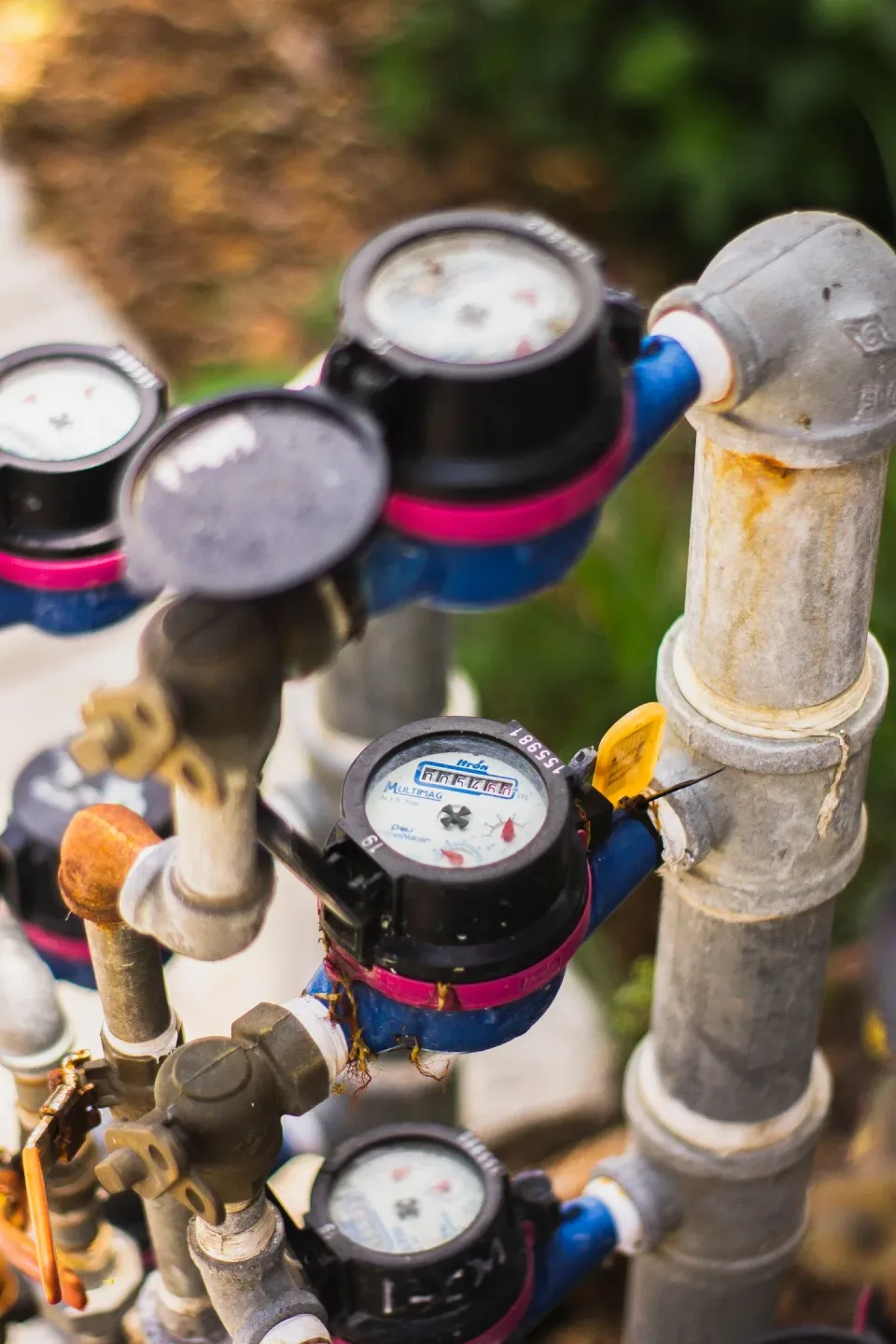
A pressure gauge can help distinguish a pressure problem from one fixture’s restricted flow. If you have a suitable gauge and know how to attach it safely at an accessible hose connection, take a reading with fixtures closed, then note what happens when water runs.
A single static number doesn’t reveal the whole story: pressure can look acceptable with no demand and fall sharply when a tap opens. Around Brattleboro Downtown Historic District, as elsewhere in Vermont, homes and supply setups differ; one reading alone cannot identify the faulty part.
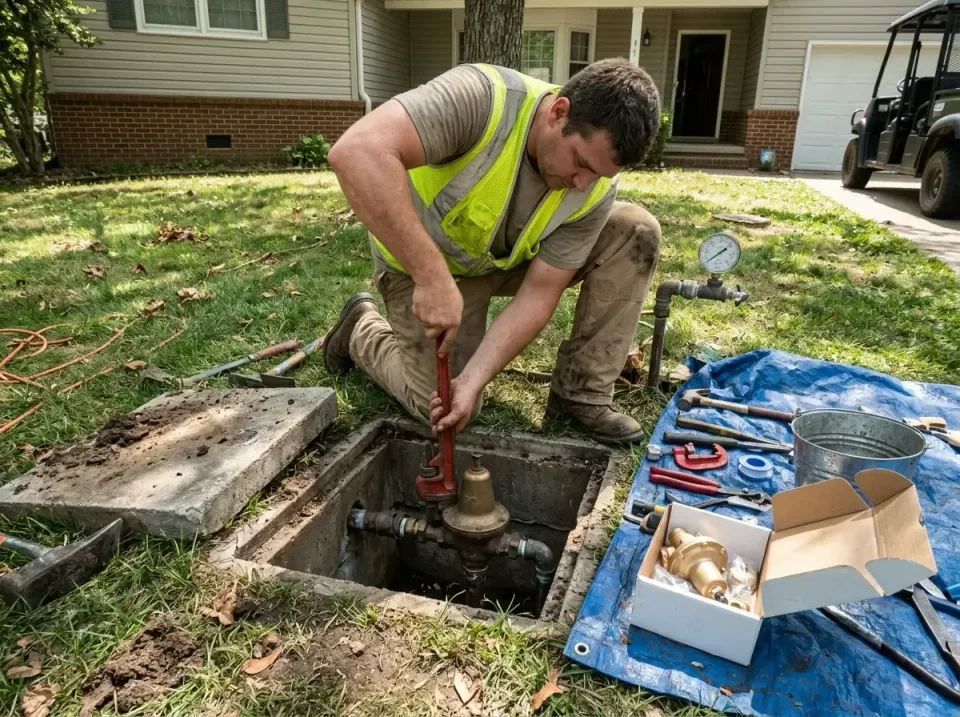
Don’t dismantle a regulator or alter pump controls to chase a number. Leave the electrical and pressurized equipment alone.
When should you stop DIY checks?
Stop and call a plumber if you see water pooling, hear a pump running continuously, notice a strong pressure change throughout the home, or cannot restore water with a simple fixture check. A well pump that repeatedly starts and stops deserves attention; continued cycling can add wear without solving the cause.
Inland valleys can have colder winter nights, so exposed plumbing or a line near a cold area deserves a careful visual check, not a torch or improvised thawing method. If the symptom is a second-floor tap that barely runs, note whether lower taps work normally rather than opening walls or changing pump settings. We diagnose the system before recommending a repair.
How does professional diagnosis narrow the cause?
When we inspect a sudden loss, we identify whether the property uses a public supply or private well, compare static and flowing readings, and check accessible valves and equipment. That process helps distinguish a supply interruption from a pressure-control problem, pump fault, or leak.
If a private well serves the home, the pump and pressure equipment need checks suited to that setup; a municipal connection calls for a different starting point. Near the Green Mountain National Forest, changing elevation and property conditions can make a neighbor’s experience a poor guide to your own.
We explain what the readings mean in plain language and discuss the next repair step before work begins. If you’re unsure what to record, our water pressure diagnosis service can establish a clear starting point.
Which Supply Check Fits Sudden Pressure Loss?
The right check depends on whether the home has a public connection, a private well, or a problem isolated to one fixture. A quick comparison helps you describe the issue without guessing at the repair.
| Option | Best for | Key detail |
|---|---|---|
| Municipal supply check | Several fixtures lose pressure at once | Compare static and flowing readings; a typical residential target is 40–60 psi. |
| Private well check | Pump-served home with sudden pressure loss | The well pump moves water; the municipal main serves a public supply. |
| Regulator inspection | Whole-home pressure changes on a regulated supply | A pressure regulator controls incoming pressure; common connections are 3/4–1 inch. |
| Pump and switch check | Well pump will not run or cycles abnormally | The pressure switch starts and stops the pump; the gauge displays pressure. |
ECHO, Leahy Center for Lake Champlain, sits in Burlington, but nearby landmarks cannot establish your home’s pressure; readings at your own fixtures can. If you travel along U.S. Route 7 or Route 100 Scenic Byway to reach a property, plan access and share the exact service location when arranging a visit.
How to Prepare for a Pressure Check
A few safe observations can save diagnostic time. Don’t adjust pump wiring or open pressurized equipment; clear a path to the accessible plumbing and keep occupants informed if water may need to be shut off.
Heavy rain can overwhelm drainage around foundations, so mention standing water near the basement or service entrance. Lake Champlain moderates nearby temperatures, but that does not rule out a plumbing fault elsewhere in a home.
If the property is near Mad River Glen in Fayston, mountain snowfall can affect access; tell the service crew about conditions before scheduling.
-
Identify the supply: Confirm whether the home uses a municipal connection or private well.
-
Compare fixtures: Note whether the pressure loss affects one tap or several.
-
Find the shutoff: Locate the main shutoff without turning a stuck valve.
-
Clear access: Make a safe path to the basement or utility area and pump controls.
-
Record symptoms: Write down when pressure changed and whether the pump cycles.
-
Plan the visit: Arrange access and tell affected occupants if a water shutdown may be needed.
When Should You Call for Help With Lost Pressure?
If water has disappeared from several fixtures, a pump keeps cycling, or pressure drops sharply when a tap opens, stop at safe observations and arrange a diagnosis. A gauge reading can help, but it cannot identify the failed part by itself.
Spring snowmelt can saturate basements and well areas, so point out standing water or damp equipment during a visit. Spring thaw can also make job-site access muddy; mention difficult access when scheduling.
A thunderstorm may interrupt power to a pump, so check for a broader outage before assuming the pump has failed. Don’t guess at a repair. Contact Vermont Plumbing Pros for water pressure diagnosis; we’ll check the system, explain the findings, and discuss a repair suited to your setup.