Could Church Street Faucet Problems Point to a Regulator?
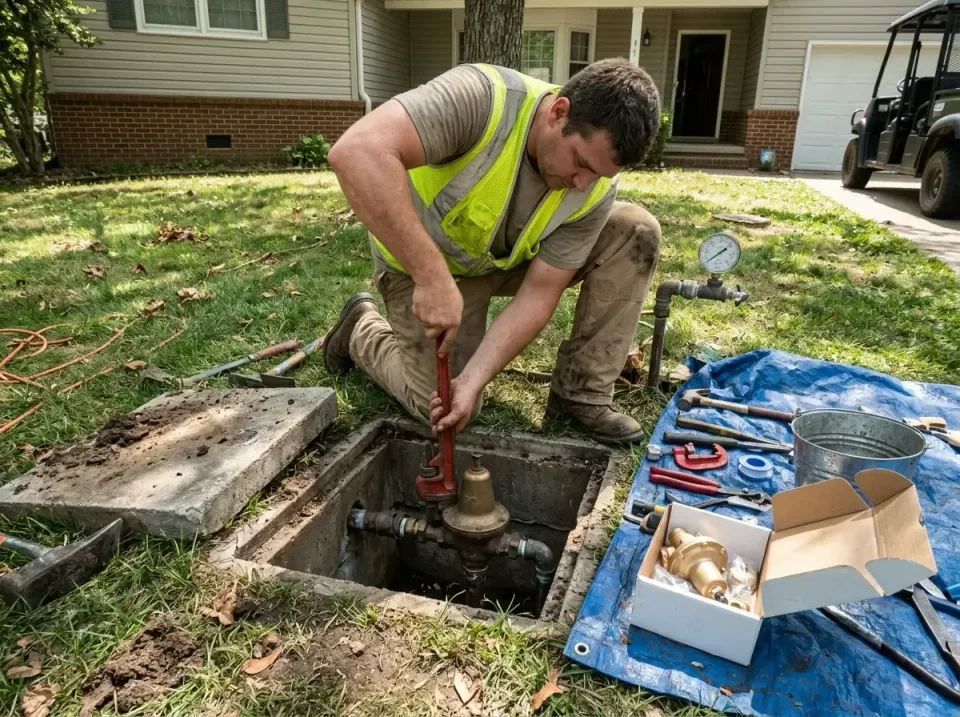
Weak flow at every faucet can point to a failing pressure regulator, but a pressure test is needed before replacing it. If the drop affects the whole home, look beyond one clogged aerator: a regulator that is stuck or restricted can limit water reaching every fixture.
In Burlington, older plumbing near Champlain College may have more than one restriction, so the pattern matters. Heavy rain can overwhelm drainage around foundations; if water collects near a basement service entry, tell the plumber before work begins.
That condition may affect access and make it important to check for signs of a leak. Start by noting whether every tap is weak, then ask for pressure testing and an inspection of the regulator.
Is the pressure regulator the likely cause?
If every faucet has weak flow, a pressure regulator is one possible cause not a diagnosis by itself. A restricted valve can reduce supply to the whole residential plumbing system, while a leak or other supply problem can create a similar symptom.
We begin by checking the water source and testing pressure before recommending a replacement. The distinction matters: a gauge reading with fixtures closed tells us about static pressure, while a tap running shows how the system performs under demand. One reading alone may miss the fault.
In Vermont, seasonal conditions can add context without proving a valve has failed. Lake Champlain moderates nearby temperatures, but that does not rule out a restriction or damage elsewhere in a home’s plumbing.
Near Killington Resort, homeowners may also need to consider the different demands and conditions of a seasonal property; a house that has been closed should be assessed before assuming the regulator is the only issue. We compare symptoms across fixtures and the supply side before choosing a repair.
What does a pressure test tell you?
A pressure gauge helps separate a pressure problem from a flow problem. We record the reading with fixtures off, then observe what happens while water runs.
A significant change under demand can point toward a restriction, supply limitation, or equipment problem; it does not name the failed part on its own. Ask the plumber to explain both readings and how they connect to the symptoms you noticed.
Location can shape access and inspection. Mountain elevations receive heavier snowfall, so a buried or exterior line may be harder to reach in winter.
Near Mount Mansfield, tell the crew if snow or ice is blocking the utility entrance before scheduling work. We also check the regulator’s visible condition and connections, then explain whether the evidence supports adjustment, repair, or replacement.
Don’t turn the adjustment screw just to see what happens. Changing the setting without measuring can leave pressure too high or fail to address the actual restriction.
Can you check the problem yourself?
You can safely note which fixtures are weak, whether the problem began suddenly, and whether a visible shutoff is fully open. Clean a faucet aerator if only that fixture has poor flow. Stop there if every fixture is affected, the regulator is corroded, or you would need to open a pressurized connection. A simple observation helps. It does not replace testing.
The same-day service label is not a substitute for a confirmed appointment; ask about availability and access before arranging work. If a home near Shelburne Farms has a whole-house pressure drop, our crew can compare gauge readings and inspect the regulator rather than replacing parts by guesswork.
We have served Vermont for more than 12 years, and we explain findings in plain language before work begins. For related symptoms, see our guide to when a Watts pressure-reducing valve needs repair or replacement or read about clogged lines and low flow at every faucet.
What happens if the regulator is not failing?
A pressure regulator can be working while another part of the supply limits flow. A partially closed shutoff, a restriction, or a supply-side problem can affect multiple fixtures; the right next step depends on where testing finds the pressure loss. A sudden change deserves prompt investigation, especially if you see damp areas or hear water running when fixtures are off.
Before approving replacement, ask what the test showed, what part is implicated, and whether the repair will require shutting off water. Vermont Plumbing Pros diagnoses before recommending work and protects the home during repairs. A clear explanation should connect the symptom to the test result, not simply point at a valve and presume it is bad.
Which Pressure Check Fits Weak Flow at Every Faucet?
If every tap runs weakly, the right fix depends first on whether your home is supplied by a municipal main or a private well. Comparing the pressure at the source and at fixtures helps narrow the cause.
| Option | Best for | Key detail |
|---|---|---|
| Municipal supply diagnosis | Whole-home low flow on public water | Main service is commonly 3/4–1 1/4 inches |
| Private well diagnosis | Weak flow with a well system | A pump supplies the home; a municipal main does not |
| Regulator repair | Restricted incoming pressure | Connections are commonly 3/4–1 inch |
| Pressure tank replacement | Well system with storage problems | Drawdown gallons vary by model |
Clear working space around utility-room equipment helps the plumber reach valves and take readings without moving stored items. If you live near Winooski Falls, Winooski, tell us about access before the visit so we can plan the inspection.
Summer humidity can worsen basement moisture, so point out damp areas near the equipment. Route 100 Scenic Byway and Interstate 89 are useful regional reference points when arranging a service visit; give the dispatcher your town and access details, rather than assuming a route name confirms coverage.
Prepare the Home for a Regulator Pressure Check
-
Identify the supply: Tell the plumber whether the home uses municipal water or a private well so testing starts at the right source.
-
Clear the work area: Move stored items away from the basement or utility-room equipment and keep the shutoff accessible.
-
Keep controls reachable: Do not block well-pump electrical controls; leave wiring work to a qualified professional.
-
Coordinate water access: Let affected occupants know that testing may require running fixtures or a temporary water shutdown.
-
Plan the visit: Near Amtrak Brattleboro Station, confirm parking and the service entrance; access details help avoid delays.
-
Mention seasonal risks: Cold, snowy winters increase frozen-pipe risk. If a line is exposed or a pump lost power during an ice storm, report that before testing; homes near Lake Willoughby may have different access conditions in winter.
-
Keep the path safe: Tell the crew about snow or ice at the entrance. A property near Billings Farm & Museum in Woodstock should have a clear route to the equipment before arrival.
Get a Clear Answer on Weak Flow at Every Faucet
Weak flow throughout the home can come from a regulator, but replacement should follow a pressure check that identifies the cause. If a cold snap or storm is part of the story, mention it: nor’easters can bring prolonged snow and strong winds, and a rapid temperature drop can freeze exposed plumbing. Repeated freeze-thaw cycles can also stress buried water lines, so describe any recent changes or visible damage.
| What you notice | Useful next step |
|---|---|
| Weak flow at every tap | Request whole-home pressure testing |
| Pressure drops under demand | Ask for static and running readings |
| Visible leak or sudden loss | Explain when it began and where |
For a measured diagnosis in Vermont, contact Vermont Plumbing Pros for water pressure regulator repair.